1. Walk-around and plan
A technician looks over the vehicle and explains the plan, including what is likely to be removed.
Kailua, HI · Hawaii County
A contaminated vehicle is hard to ignore and risky to drive. In Kailua, call (877) 812-4220 for biohazard car cleaning that covers seats, floor mats, door panels, headliner and trunk, with safe waste disposal.
If anyone is in danger, call 911 first. For a suicide crisis, call or text 988.
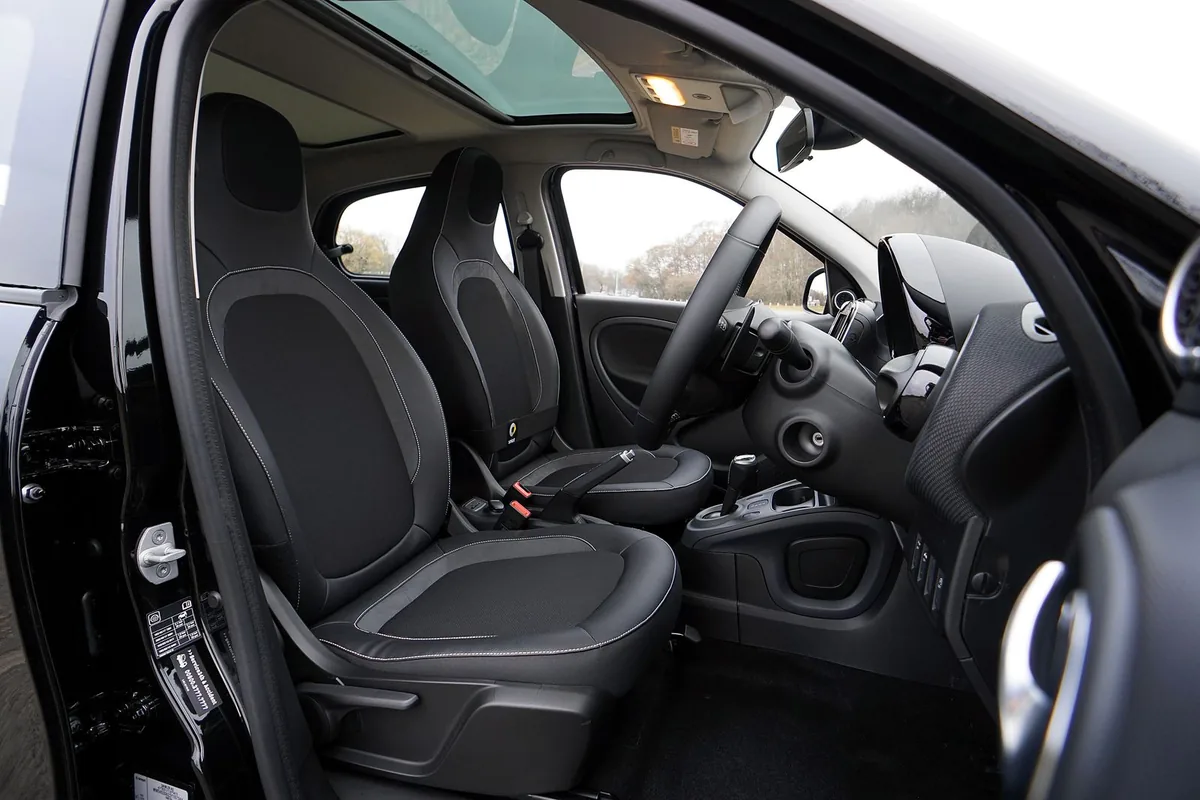
A vehicle decontamination service removes the hazard, not just the stain. It finds every area the fluid reached, takes out soaked upholstery and padding and disinfects what stays.
Residents and businesses in Kailua call Kailua Biohazard Cleanup Help for biohazard vehicle cleaning, odor removal and safe disposal of contaminated materials. Service reaches across Hawaii County and the towns around it, so wherever you are, you can get help.
Whether the vehicle is in Kailua or closer to Hilo, the cleanup steps are the same: contain, remove, disinfect, dispose and check. In Kailua, summer heat bakes odors into foam, headliner and vents, which is why the source must be removed instead of masked.
What vehicle biohazard cleanup covers:
A technician looks over the vehicle and explains the plan, including what is likely to be removed.
Blood and fluids are traced across seats, floors and panels, including seat tracks, seams and beneath the mats.
Contamination is removed piece by piece. Surfaces get a detailed clean followed by an EPA-registered disinfectant.
The crew inspects each affected area, hauls away the waste and can provide notes for insurance claims.
Expect vehicle biohazard cleanup in Kailua, HI to cost roughly $500 to $5,000, with the final price set after an on-site assessment.
What the fluid soaked into decides how much comes out. Seat foam, carpet and headliner that absorbed fluid usually have to be removed, which adds labor and parts.
| Type of job | Typical range |
|---|---|
| Vehicle biohazard cleanup | $500 - $5,000 |
Estimates only, not a quote. Sources: BioCleaners Directory. Price drivers include type of interior materials, how serious the event was, time since the event, air system decontamination. Call (877) 812-4220 to talk through the job.
Many auto insurance policies cover some losses that are not collisions, and some policies exclude cleanup. Only your policy and your insurer can say. Call before cleanup starts, take photos and keep every receipt.
Often, yes. Crews can work in a driveway, garage or lot, depending on space, weather and the extent of the contamination. Some vehicles are moved to an enclosed space to keep the work private and contained.
A salvage vehicle is one an insurer has declared a total loss. Some are also tagged for contamination when blood or fluids were involved. Labels and rules vary, so ask the insurer or the state title office what applies to a specific vehicle.
People use both phrases. Most of the time they mean decontaminating a vehicle that holds blood or other body fluids. Chemical spills are a separate hazard, and a cleanup team can say whether it can handle a specific one.
A small spill on a hard surface can be cleaned with gloves, eye protection and an EPA-registered disinfectant. Do not do it with an open cut, and do not use the car until fluids that soaked into fabric are removed. For larger spills, call a cleanup team.
It usually means the interior was contaminated by blood, body fluids or similar material, and cleaning or repair is needed. Insurers and sellers may use the phrase when a vehicle was exposed to hazardous contamination.
Call (877) 812-4220 and describe what is in the vehicle.
Call (877) 812-4220